Researchers sinkhole half a million ZeroAccess bots

In a race against time and ZeroAccess developers and botmasters, Symantec researchers managed to sinkhole a large chunk of the infamous P2P-based botnet before its herders managed to update the bots a…

View article:
Researchers sinkhole half a million ZeroAccess bots

‘Quarter’ of TWO-MILLION-strong zombie PC army lured to their deaths

Pied piper Symantec says it led infected computers into sinkhole Symantec has claimed credit for luring a significant lump of the powerful ZeroAccess botnet into a sinkhole.…

Read the article:
‘Quarter’ of TWO-MILLION-strong zombie PC army lured to their deaths

Two youngsters arrested for different DDoS attacks

Following the massive DDoS attack against anti-spam outfit Spamhaus earlier this year, a 35-year-old Dutch citizen believed to be Sven Kamphuis, the owner and manager of Dutch hosting firm Cyberbunker…

Link:
Two youngsters arrested for different DDoS attacks

London schoolboy cuffed for BIGGEST DDOS ATTACK IN HISTORY

Bet his parents wish he’d been playing computer games A British police investigation into the massive DDoS attack against internet watchdog Spamhaus has led to the arrest of a 16-year-old London schoolboy who, it is claimed, is part of an international gang of cyber-crooks.…

Read More:
London schoolboy cuffed for BIGGEST DDOS ATTACK IN HISTORY

Schoolboy arrested over Spamhaus DDoS, world’s biggest cyber attack

In March 2013, a distributed denial of service (DDoS) attack of unprecedented ferocity was launched against the servers of Spamhaus, an international non-profit dedicated to battling spam. A DDoS is an attack wherein the servers of a targeted online service are slowed to a crawl with loads of pointless email or file uploads that clog up their processing ability. The March Spamhaus attack peaked at 300 gigabits per second, Spamhaus CEO Steve Linford told the BBC at the time – the largest ever recorded, with enough force to cause worldwide disruption of the internet. In April, one suspect was arrested in Spain. Now, it’s come to light, another suspect was also secretly arrested in April – this one being a London schoolboy. The 16-year-old was arrested as part of an international dragnet against a suspected organised crime gang, reports the London Evening Standard. Detectives from the National Cyber Crime Unit detained the unnamed teenager at his home in southwest London. The newspaper quotes a briefing document on the British investigation, codenamed Operation Rashlike, about the arrest: The suspect was found with his computer systems open and logged on to various virtual systems and forums. The subject has a significant amount of money flowing through his bank account. Financial investigators are in the process of restraining monies. Officers seized his computers and mobile devices. The boy’s arrest, by detectives from the National Cyber Crime Unit, followed an international police operation against those suspected of carrying out the massive cyber attack, which slowed down the internet worldwide. The briefing document says that the DDoS affected services that included the London Internet Exchange. The boy has been released on bail until later this year, the London Evening Standard reports. The arrest follows close on the heels of two other London-based arrests resulting from international cyber-policing: Last week’s arrest of eight men in connection with a £1.3 million ($2.08 million) bank heist carried out with a remote-control device they had the brass to plug into a Barclays branch computer, and The arrest of 12 men in connection with a scheme to boobytrap computers at Santander, one of the UK’s largest banks, by rigging the same type of remote-control device found in Barclays – devices that enable remote bank robbery. Truly, the UK isn’t fooling around when it comes to cybercrime – a fact it’s making clear with the robust work of the National Cyber Crime Unit, which itself will soon be rolled into the even more cybercrime-comprehensive arms of the National Crime Agency. The National Crime Agency, due to launch 7 October, is going to comprise a number of distinct divisions: Organised Crime, Border Policing, Economic Crime, and the Child Exploitation and Online Protection Centre, on top of also housing the National Cyber Crime Unit. If the recent arrests are any indication, it would seem that the UK’s on the right track with cyber crime. May cyber crooks, both the seasoned and the schoolboys, take heed. Source: http://nakedsecurity.sophos.com/2013/09/27/schoolboy-arrested-over-spamhaus-ddos-worlds-biggest-cyber-attack/

See the article here:
Schoolboy arrested over Spamhaus DDoS, world’s biggest cyber attack
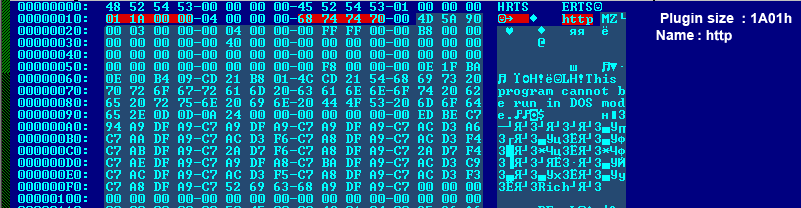
Tor-using Mevade botnet is stealthy new version of old threat

The Mevade Trojan and botnet have gained unexpected notoriety when it turned out that the majority of the recent, sudden and massive uptick in Tor users was the result of it adding Tor as a method of …

Read More:
Tor-using Mevade botnet is stealthy new version of old threat

Distributed Denial-of-Service Attacks and Midsize Firms

A distributed denial-of-service (DDoS) attack occurs every two minutes, and the number of victims that suffered from more than one attack has risen substantially, according to a new report released by security firm NSFOCUS in SecurityWeek. These attacks are not just high profile any longer, and that is a wake-up call to midsize firms, which are a key target for hackers for many reasons. DDoS Too Often NSFOCUS’s research found that 1.29 DDoS attacks strike somewhere online every two minutes. More than 90 percent of the attacks last less than half an hour. NSFOCUS ascertained that attacks generally remained short and did not go past the rate of 50 Mbps. The number of victims suffering more than one DDoS attack went up 30 percent in just a year, rising to 70 percent. Victims who suffered from only one attack went down from 51 percent last year to 31 percent this year. Interestingly, the study found that hacktivism was the key driver behind more than 91 percent of attacks. Also, online gaming communities and financial services are often targets. What Fuels It The survey also found that a lack of sufficient security, including poor passwords, has fueled the success of DDoS attacks. IT professionals at midsize firms have DDoS attacks on their radar screens since reports in the past few years have shown that the attacks are not just for high-profile purposes. Easily executed attacks that can do the most damage are ideal for today’s cybercriminals; that means midsize firms are at risk. Midsize firms are constantly concerned about having sufficient resources, personnel, money and time to remain competitive, so security must be a top priority for IT professionals, and those who work with third-party data centers should inquire what kind of DDoS protection is provided. Those that manage their own data centers must take the right precautions against botnets and application-layer DDoS attacks on the premises of the network. Also, by working with trusted and experienced security vendors, midsize firms can bring their own security to the next level. When all is said and done, firewalls no longer provide enough protection. A Worthy Investment Distributed denial-of-service attacks are growing, and midsize companies are falling victim. Cybercriminals know that they can successfully hit a lot of growing firms at once and make easy money. They know that some midsize firms do not take security seriously because it might be too costly or time-consuming to consider. In the end, the unprepared midsize firm loses resources, time and money to the costly consequences of a DDoS attack. IT professionals must prioritize security to maintain their company’s competitive edge. Source: http://midsizeinsider.com/en-us/article/distributed-denial-of-service-attacks-an

Originally posted here:
Distributed Denial-of-Service Attacks and Midsize Firms

London schoolboy secretly arrested over ‘world’s biggest cyber attack’

A London schoolboy has been secretly arrested over the “world’s biggest cyber attack” as part of an international swoop against a suspected organised crime gang. The 16-year-old was detained by detectives at his home in south-west London after “significant sums of money” were found to be “flowing through his bank account”. He was also logged on to what officials say were “various virtual systems and forums” and had his computers and mobiles seized as officers worked through the night to secure potential evidence. The boy’s arrest, by detectives from the National Cyber Crime Unit, followed an international police operation against those suspected of carrying out a cyber attack so large that it slowed down the internet. The “distributed denial of service” or “DDoS” attack was directed at the Dutch anti-spam group Spamhaus which patrols the web to stop prolific spammers filling inboxes with adverts for counterfeit Viagra, bogus weight-loss pills and other illegal products. Details of the arrest, which happened in April, had been kept secret, but have been disclosed to the Evening Standard ahead of the formation of the Government’s new National Crime Agency. It will take over the National Cyber Crime Unit as part of a drive against offending carried out over the internet, now seen as one of the most serious crime-fighting challenges. More than half of the 4,000 officers who will form the new agency next month will be trained in combating cyber crime. The arrest of the London schoolboy, whose identity has not been disclosed, came during a series of coordinated raids with international police forces. Others detained included a 35-year-old Dutchman living in Spain. A briefing document seen by this newspaper on the British investigation, codenamed Operation Rashlike, states that the attack was the “largest DDoS attack ever seen” and that it had a “worldwide impact” on internet exchanges. The document says services affected included the London Internet Exchange and that although the impact was eventually “mitigated” it managed to cause “worldwide disruption of the functionality” of the internet. Giving details of the schoolboy’s alleged involvement, the briefing note states: “The suspect was found with his computer systems open and logged on to various virtual systems and forums. The subject has a significant amount of money flowing through his bank account. Financial investigators are in the process of restraining monies.” The boy has been released on bail until later this year. The disclosure of his arrest follows two cyber attacks on banks. Four men have appeared in court over the first, involving an alleged plot to take over Santander computers by fitting a device during maintenance work. Another eight were arrested over a £1.3?million theft by a gang who took control of a Barclays computer. Meanwhile, security minister James Brokenshire said the creation National Crime Agency would bolster efforts to combat organised criminals operating on the internet and ensure that “cyber gangsters” were left with no hiding place. “The new National Crime Agency’s Cyber Crime Unit will pursue the organised crime gangs behind the online crimes that blight people’s lives and cost the economy millions,” he added. Source: http://www.standard.co.uk/news/crime/london-schoolboy-secretly-arrested-over-worlds-biggest-cyber-attack-8840766.html

Continue reading here:
London schoolboy secretly arrested over ‘world’s biggest cyber attack’